

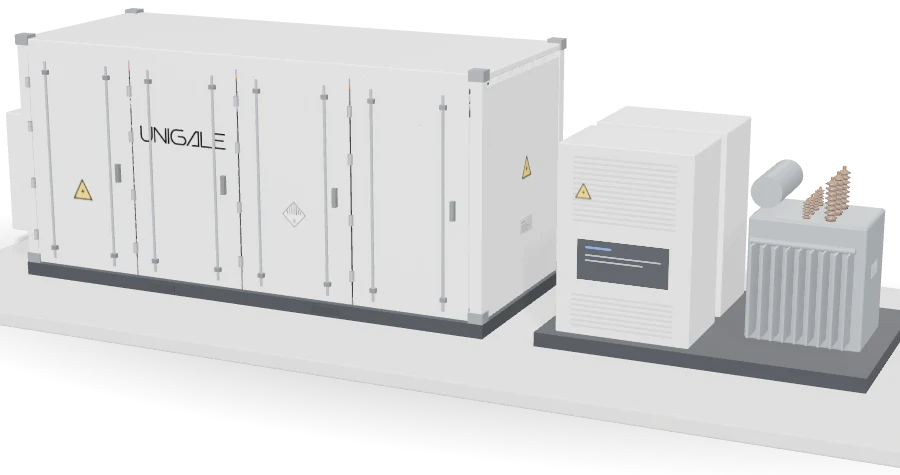
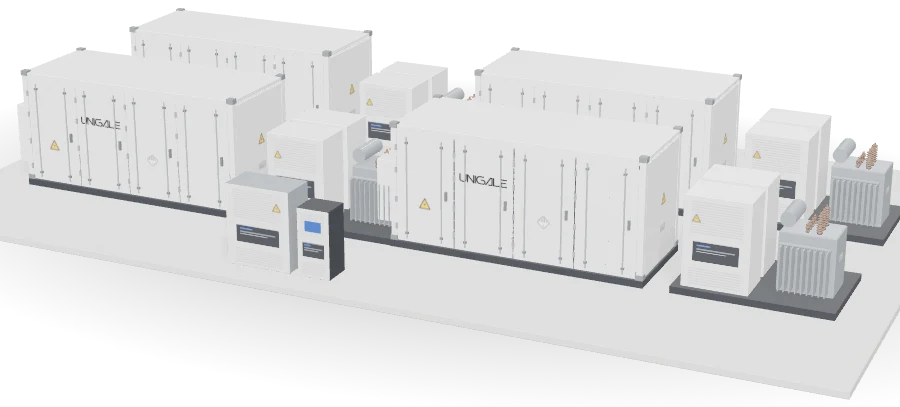
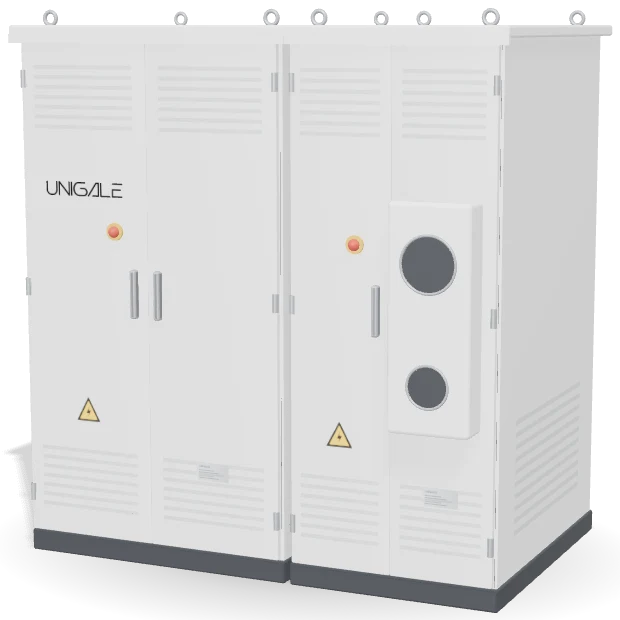
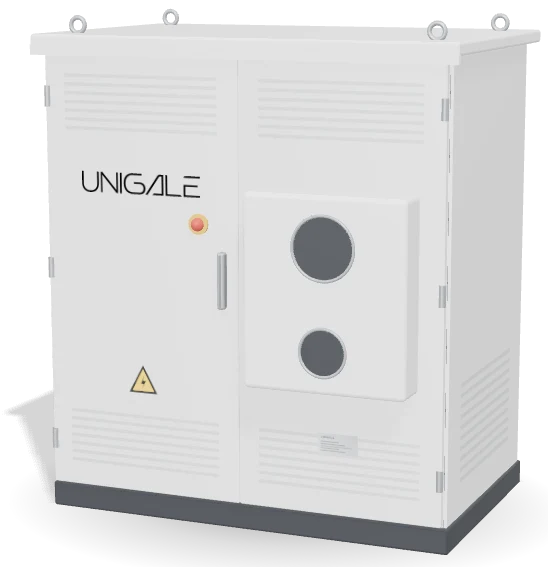


Make more of the energy you generate.
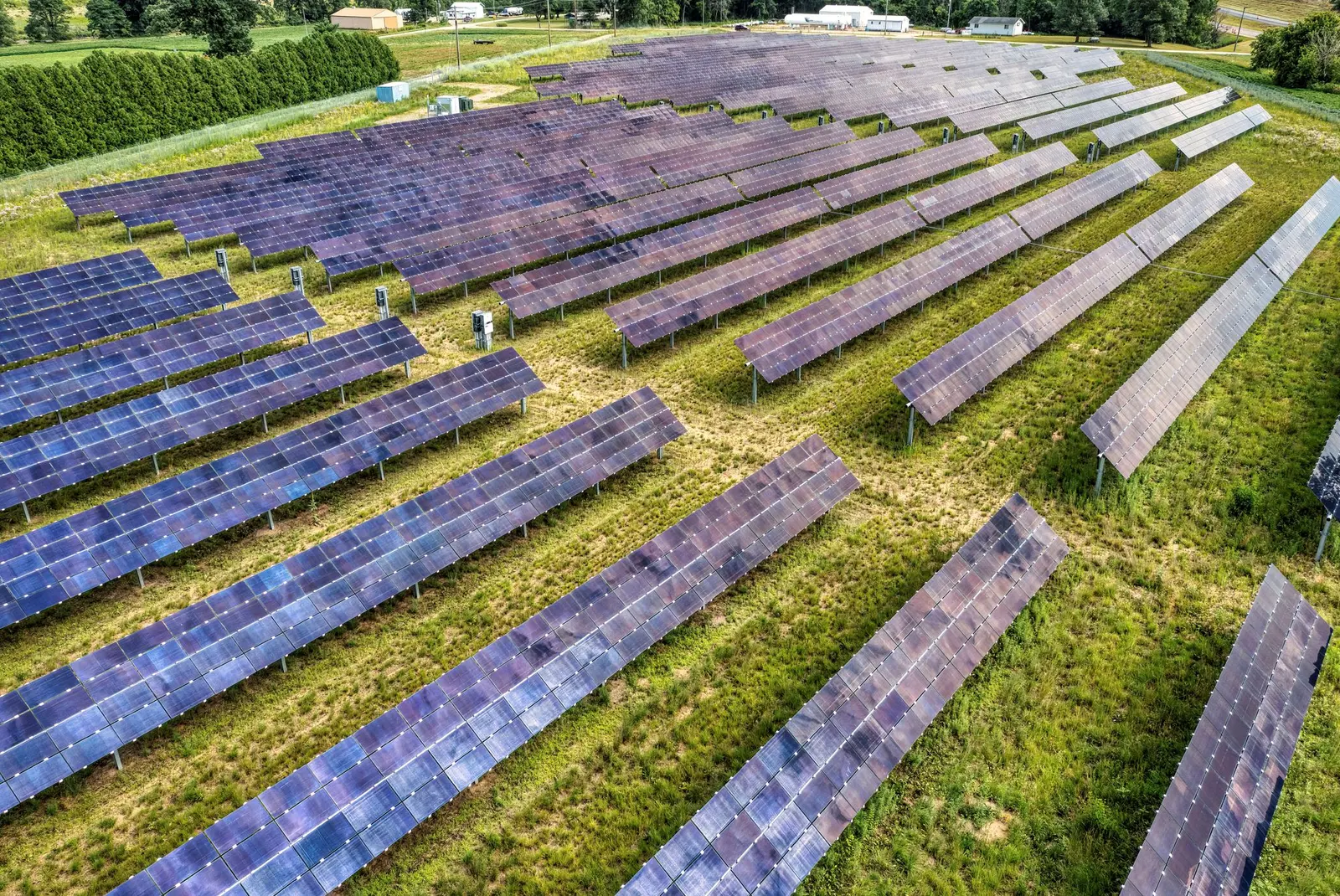
Match solar generation, battery capacity and dispatch to the hours your business actually needs electricity — on-grid, off-grid or hybrid.
- More self-consumed solar
- Evening and night supply
- Backup reserve from renewable energy
The operating priorities.
Daytime generation, later use
Store energy that would otherwise be curtailed or exported at low value, then release it in the evening or during an outage.
On-grid with a clear objective
Prioritise self-consumption, a backup reserve or tariff shifting. Promising every benefit at once usually means delivering none of them well.
Off-grid by design
Account for generation variability, reserve, grid-forming capability and a contingency for cloudy or low-generation periods.
A useful first conversation.
You don't need every detail to start. These three answers let our engineers give you a meaningful first view.
- 1
Start with generation data
Hourly solar production tells us far more than installed capacity alone.
- 2
Overlay your demand
Compare when your business consumes energy with when it is generated.
- 3
Choose the operating priority
Agree the balance between outage reserve and daily cycling before sizing the battery.
- Engineering note. Grid export is not assumed. Metering, interconnection, settlement and permission to export or sell electricity depend on the applicable local arrangement.
Solar + BESS: common questions
Can I add a battery to my existing solar plant?
Usually yes. AC-coupled storage can be added to most existing rooftop or ground-mounted solar systems. We review your inverter, metering arrangement and generation data to choose the right coupling and size.
How big should a solar battery be?
It depends on the surplus solar available after direct consumption and when you need the energy back. Hourly generation and load data give a far more accurate size than a rule of thumb based on solar kWp.
What is the difference between on-grid and off-grid solar storage?
On-grid systems work alongside the utility supply and use the battery for self-consumption, backup or tariff shifting. Off-grid systems must form their own grid and cover all demand, so they need more reserve and careful contingency planning.
Does a solar battery work during a power cut?
Only if the system is designed for backup operation, with the right inverter capability and isolation from the grid. Standard grid-tied solar shuts down during an outage for safety.
Technical guides
Solar + BESS: on-grid and off-grid explained
Learn how solar and battery energy storage work together, what changes during a grid outage, and which questions to ask about charging and site integration.
Read MoreBESS sizing: kW, kWh and backup hours
Understand the difference between kW and kWh in BESS sizing. Work through a transparent backup-energy example and the data needed for an engineering assessment.
Read MoreESS vs BESS: what is the difference?
ESS is the wider energy storage category. BESS refers specifically to battery storage. Understand the difference and compare proposals on the same basis.
Read MoreTell us about your site.
An engineer — not a call centre — will review your requirement and reply, usually within one working day.