

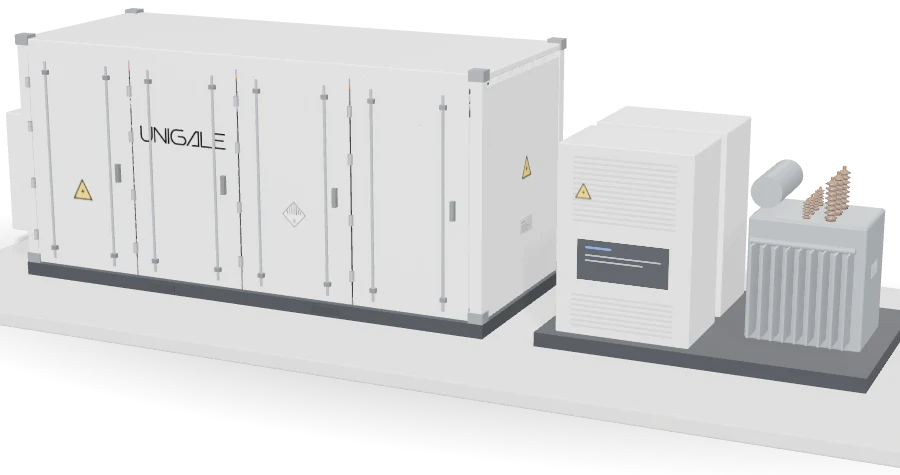
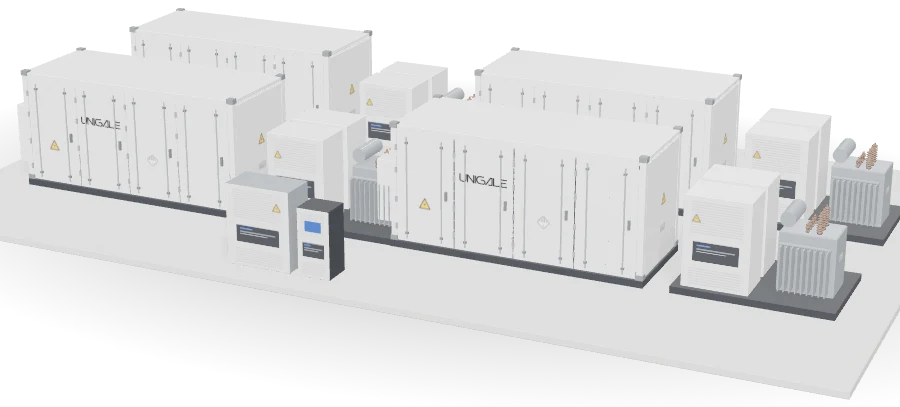





Take timing seriously.
Explore the value of shifting energy and managing demand peaks using your actual electricity tariff and interval load data — losses included.

- Lower peak-hour energy cost
- Managed maximum demand
- Data-led dispatch strategy
The operating priorities.
Understand the tariff
Separate energy charges from demand charges, fixed charges and other bill items before estimating any saving.
Model the dispatch
Compare the usable tariff difference after conversion losses and battery operating costs, cycle by cycle.
Protect the reserve
A dispatch strategy must respect backup needs and how often the battery can cycle over its life.
A tariff-spread illustration
Buy low. But count the losses.
Effective cost of stored energy
₹6.67/kWh
Spread after charging losses
₹3.33/kWh
Gross energy spread only — before capex, battery wear, auxiliary energy, O&M and other charges. Use your tariff, not a national average.
A useful first conversation.
You don't need every detail to start. These three answers let our engineers give you a meaningful first view.
- 1
Bring interval load data
15- or 30-minute meter data shows the demand events the system would actually need to cover.
- 2
Bring the applicable tariff
Your supply category, current bill and billing-period rules define the real opportunity.
- 3
Test one use case at a time
Avoid stacking benefits that compete for the same stored energy.
- Engineering note. Time-of-day bands and demand-charge rules vary by connection and location. We do not assume a uniform tariff or a universal future mandate.
Peak-load management: common questions
What is peak shaving with a battery?
Peak shaving uses stored energy to cover short periods of high demand, reducing the maximum demand drawn from the grid. It can lower demand charges where your tariff includes them.
How do time-of-day (ToD) tariffs create savings with BESS?
The battery charges when energy is cheaper and discharges during expensive peak bands. The real saving is the price difference after round-trip losses, battery wear and auxiliary consumption — not the headline spread.
What data do you need to estimate peak-load savings?
At least one year of interval meter data if available, recent electricity bills, the applicable tariff order and your operating schedule. With less data we can still provide an indicative range.
Can one battery do backup and peak shaving together?
Yes, with a reserved state of charge for backup and the remainder used for daily cycling. The trade-off between the two is a design decision that should be explicit.
Technical guides
DG vs BESS: compare the full operating cost
Compare diesel-generator and BESS costs for 1, 2, 3 and 6 hours of daily use. Understand fuel, charging, maintenance and the assumptions behind payback.
Read MoreEMS, BMS and PCS: three different jobs
Understand the roles of the EMS, BMS and PCS in a Battery Energy Storage System, plus the control, integration and testing questions to ask a supplier.
Read MoreBESS sizing: kW, kWh and backup hours
Understand the difference between kW and kWh in BESS sizing. Work through a transparent backup-energy example and the data needed for an engineering assessment.
Read MoreTell us about your site.
An engineer — not a call centre — will review your requirement and reply, usually within one working day.