





Key takeaway
Grid-connected storage does not automatically mean outage backup. Confirm isolation, power conversion, controls and supported loads for the intended mode.
Move available energy, not imaginary surplus
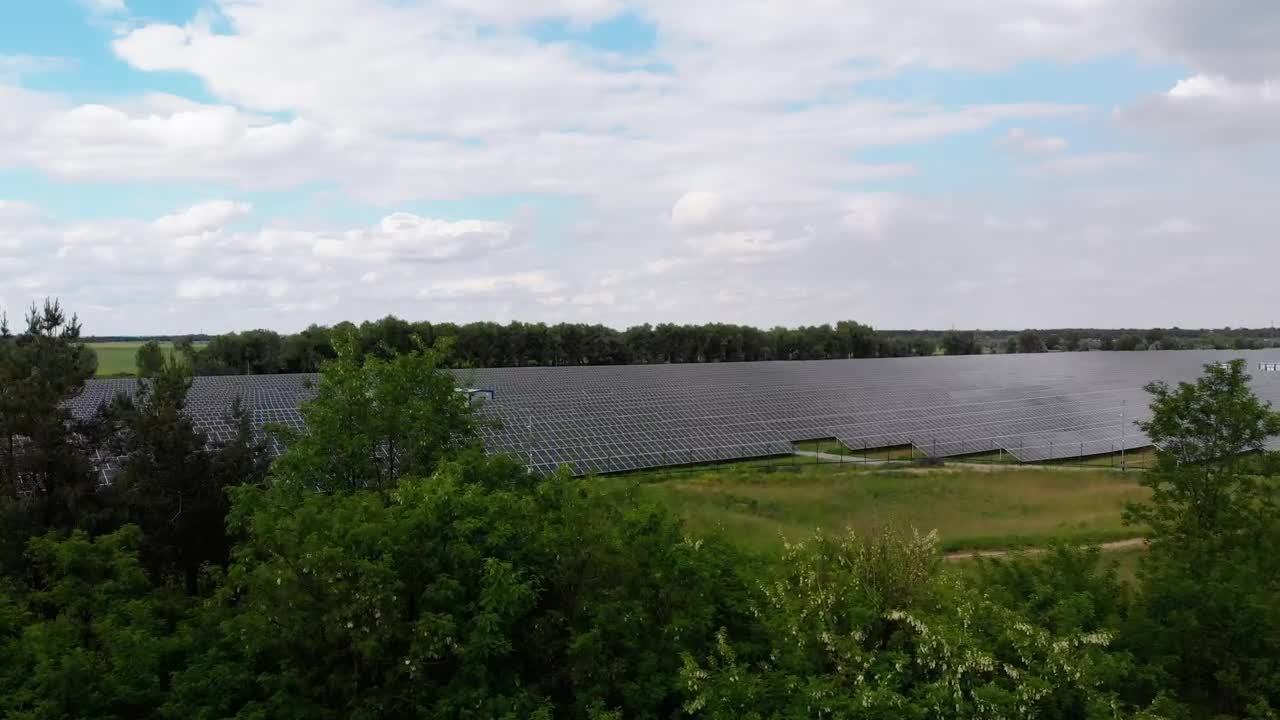
Combining solar with storage lets energy generated at one time support demand at another. Storage also has conversion losses, so delivered energy is lower than the energy used to charge it. [1]
Our starting recommendation is to overlay the site's measured demand with its solar-generation profile. Identify when surplus is available after daytime consumption, rather than assuming every unit generated is available to the battery.
For an illustrative calculation, 100 kWh of charging energy at an assumed 90% round-trip efficiency returns 90 kWh before any auxiliary consumption not already included in that efficiency. This is an example, not a Unigale performance specification.
On-grid: coordinate with the connection
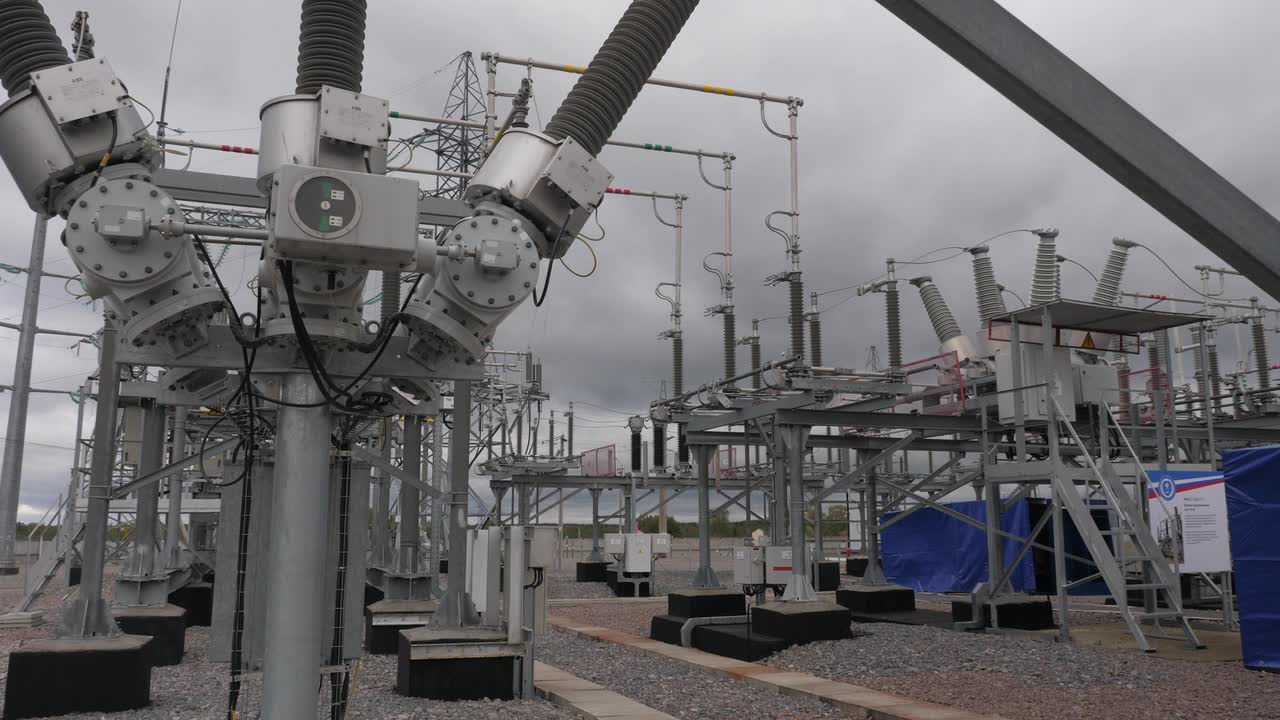
A battery inverter converts battery DC power into AC power. Depending on the configuration, an existing PV inverter may be retained with a separate battery inverter, or a hybrid arrangement may be considered. [2]
For an on-grid design review, ask how import limits, metering, battery charging and site load are coordinated. Do not budget for export income before confirming the applicable connection and settlement arrangements with the relevant electricity provider. The presence of a battery does not itself establish a right to export or sell power.
Backup: check the islanding arrangement
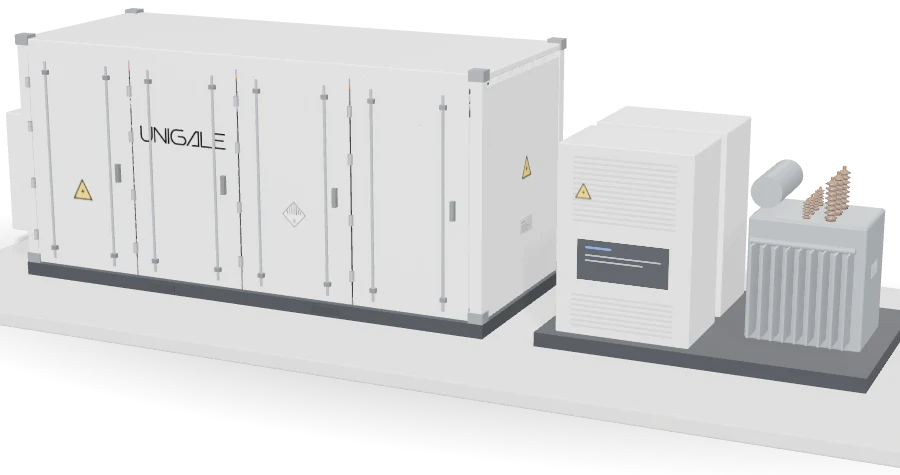
Backup operation needs an appropriate electrical configuration. For example, a manufacturer's documented backup system isolates selected loads from the utility supply before forming a backup grid. Its available supply depends on battery energy and operating conditions. [3]
That example does not establish a capability of every BESS. Ask for the proposed system's isolation method, changeover time, essential-load list, motor-starting limits, restart logic and supported operation when the battery is depleted. A claim of backup should not be treated as a promise of interruption-free supply.
Off-grid: plan for low-generation periods
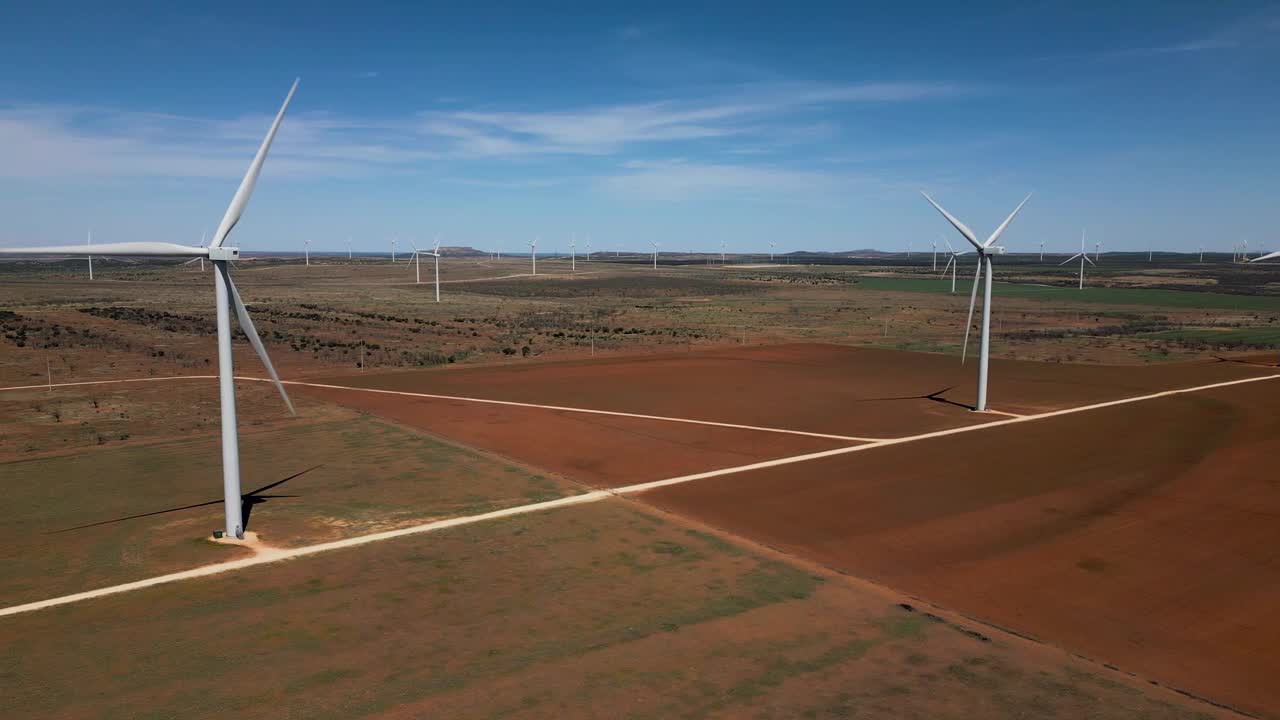
When there is no grid connection to cover an energy deficit, the design brief must address the full operating schedule and the charging sources available through low-generation periods. For our recommended assessment, include critical loads, seasonal solar variation, acceptable load reduction and any other backup source.
Rather than choosing a battery from an average sunny day, ask the designer to show how the system behaves under the agreed difficult operating scenario. Specify what can stop, what must continue and how recovery will work.
Add EV charging to the same load model
For sites considering EV chargers, we recommend including arrival patterns, charger ratings and charging windows in the same demand model as the building or factory. An energy storage system shifts energy and power within its limits; it should not be assumed to cover unlimited simultaneous charging.
Next, define the power and duration requirement with our kW and kWh guide and discuss the control responsibilities using the EMS, BMS and PCS guide.