

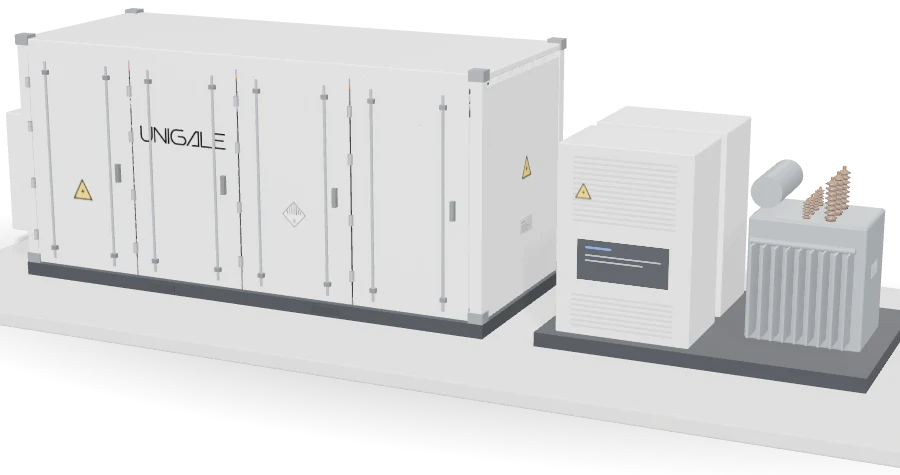
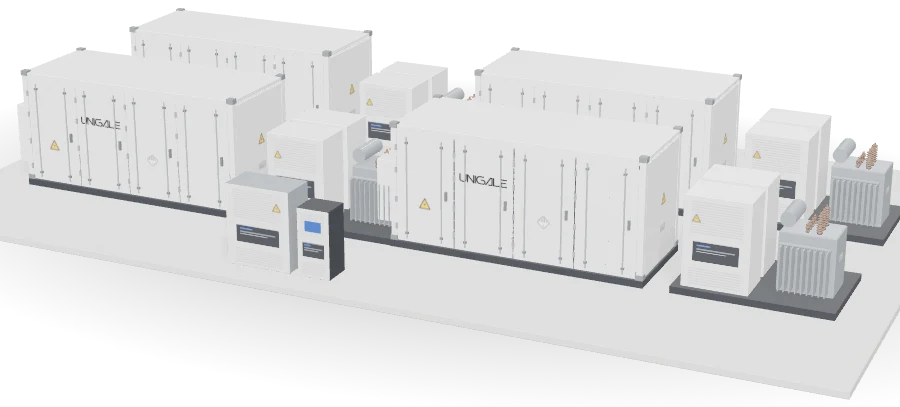
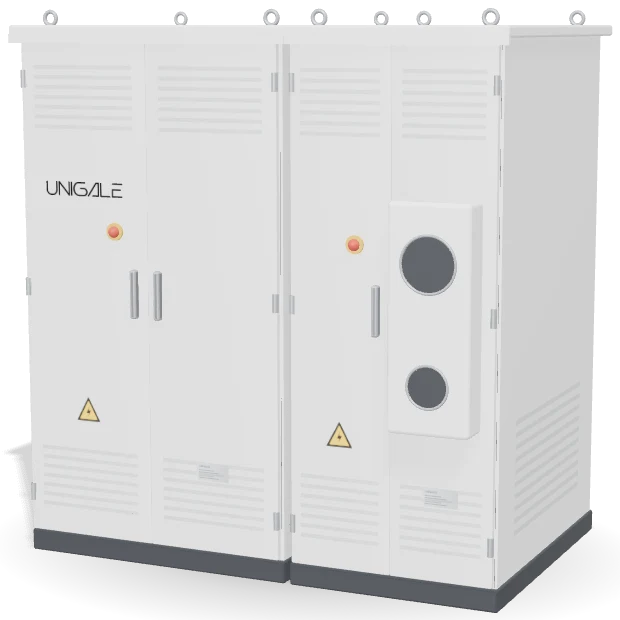
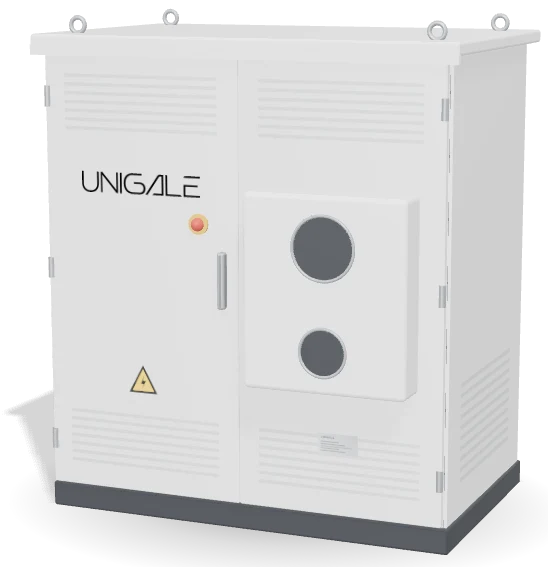






Intelligence inside the system.
Hardware stores the energy. The controls determine how safely and how usefully it is used.
01 / EMS
Energy Management System
Decide when energy works.
Our in-house EMS coordinates the operating strategy: when to charge, when to discharge, which sources take priority and how much reserve to protect for outages.
- Dispatch by objective: backup, solar, tariff, EV
- Source priorities across grid, solar and DG
- Backup reserve management
- Monitoring and data interfaces
02 / BMS
Battery Management System
Know the battery's boundaries.
Our in-house BMS supervises battery conditions and operating limits. Protection decisions sit within a defined safety architecture.
- Cell voltage and temperature supervision
- State-of-charge and state-of-health estimation
- Operating-limit enforcement
- Alarm and event logging
03 / PCS
Power Conversion System
Connect DC storage to AC loads.
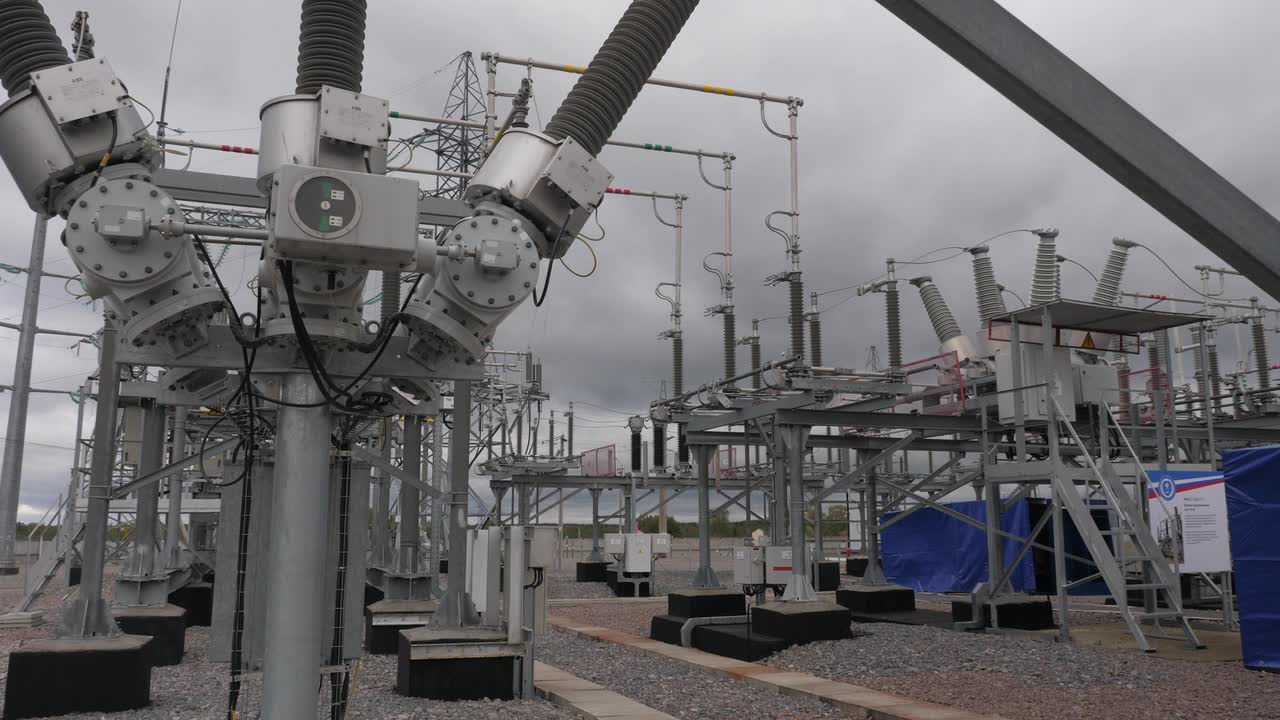
The PCS converts between the battery's DC and your site's AC. We engineer its integration with the battery, controls, protection and site connection.
- Sized for continuous and starting loads
- Grid-following and grid-forming modes as required
- Protection coordination
- Transfer behaviour defined per application
One system. Many strategies.
The same equipment can serve different objectives. Explore the conceptual energy flow.
Solar hours
Store the solar you can use later.
Solar serves the site first. Surplus generation charges the battery instead of being curtailed or exported at low value.
Illustrative operating modes, not a site design or live EMS display. Grid export and islanding require the appropriate approvals and protection design.
Energy in motion
From sunlight to a different hour.
A 12-second original concept film showing solar generation, storage and later energy use. It is a schematic animation, not live site data or project footage.
Clear boundaries. Clear responsibilities.
In-house EMS and BMS do not mean every cell, converter or auxiliary component is manufactured by Unigale. Every proposal identifies what is internally developed, what is sourced and how it is integrated.
Ask us — and any supplier — for a written safety and protection scope, communication interfaces, thermal design assumptions, service responsibilities and the applicable test evidence.
Read the EMS, BMS & PCS guide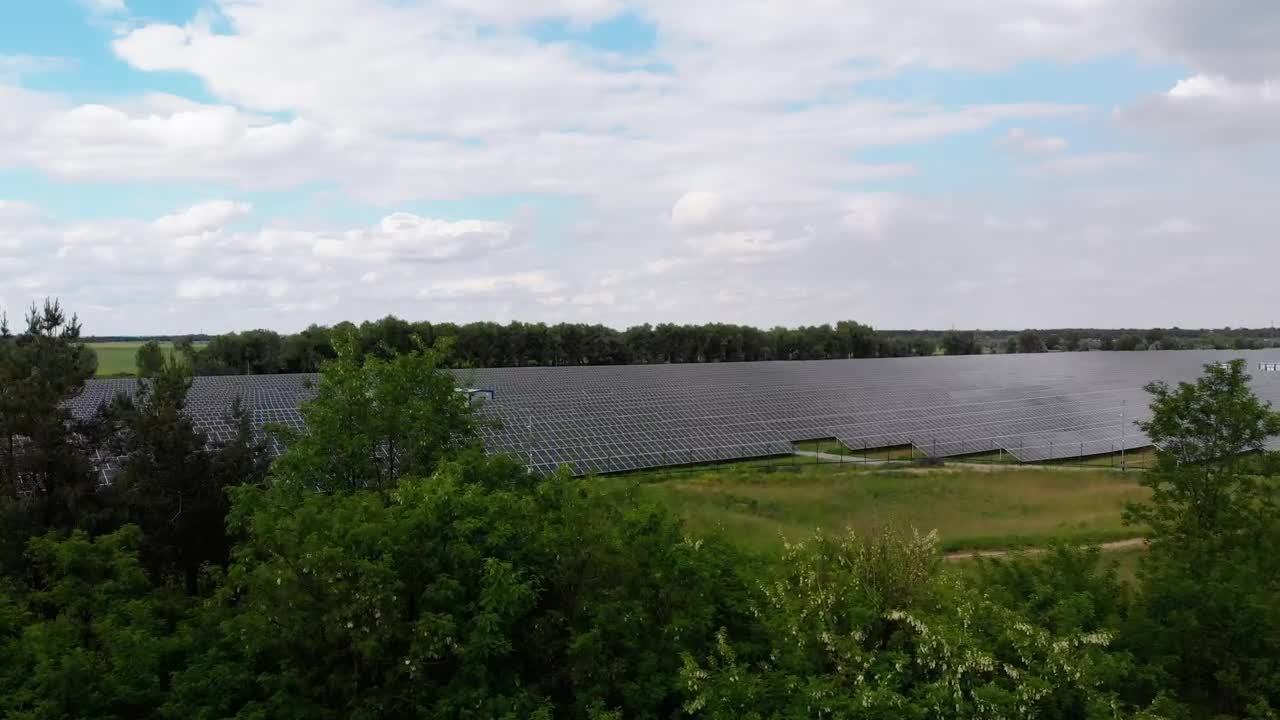



Talk to Our Team
Share your load and how long it needs to run. We'll size a system and send a quote.