






Questions, answered plainly.
The things buyers, engineers and finance teams ask us most about battery energy storage.
Basics
What is a battery energy storage system (BESS)?
A BESS stores electrical energy in batteries and releases it when needed. A complete system includes battery modules, a Battery Management System (BMS), a Power Conversion System (PCS), an Energy Management System (EMS), plus cooling, protection and auxiliaries.
What is the difference between ESS and BESS?
ESS (energy storage system) is the broad category, which includes thermal, mechanical and other storage. BESS specifically uses batteries. Most commercial and industrial storage projects today are BESS.
What is the difference between kW and kWh in a battery system?
kW is power — how much load the system can supply at one moment. kWh is energy — how long it can supply that load. A 100 kW load for 2 hours needs 200 kWh of delivered energy, and the nominal battery must be larger to allow for usable depth of discharge, efficiency and ageing.
Technology
How long does a commercial battery system last?
Life depends on battery chemistry, cycles per day, depth of discharge, temperature and maintenance. Capacity fades gradually over time, so good designs include an end-of-life reserve and plan for a possible replacement during the project life.
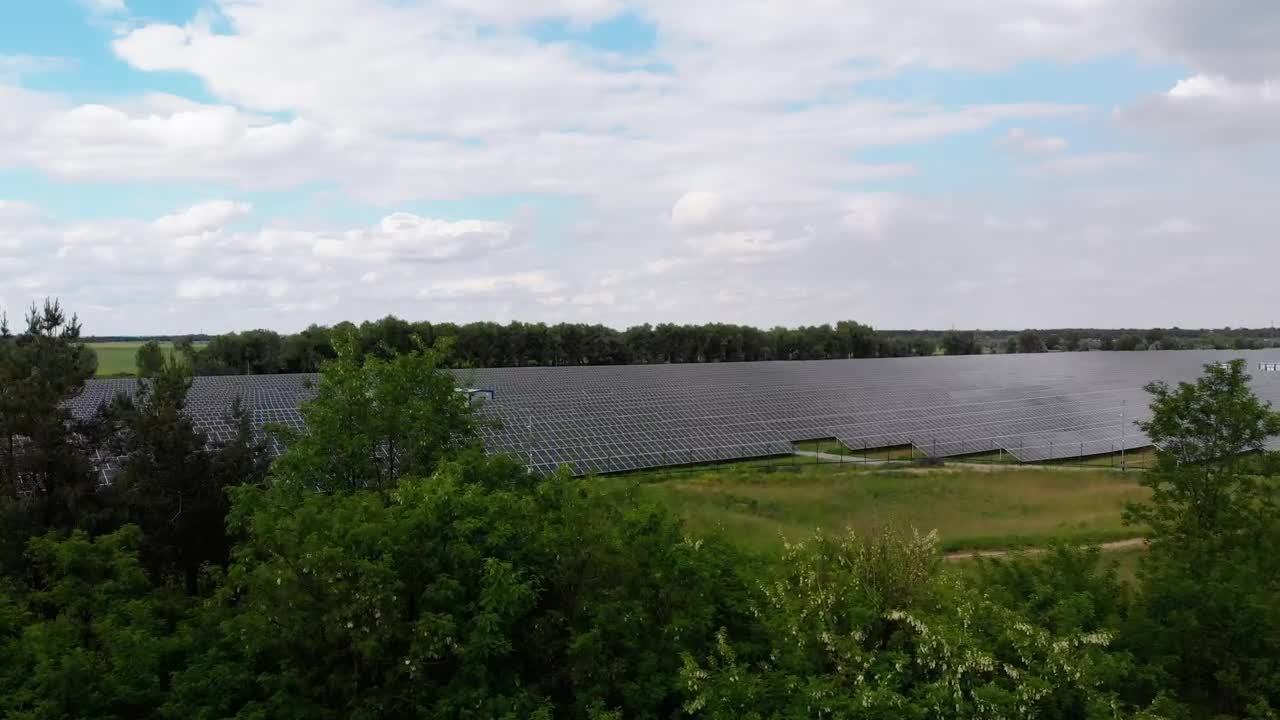
Can battery storage work with my existing solar and generator?
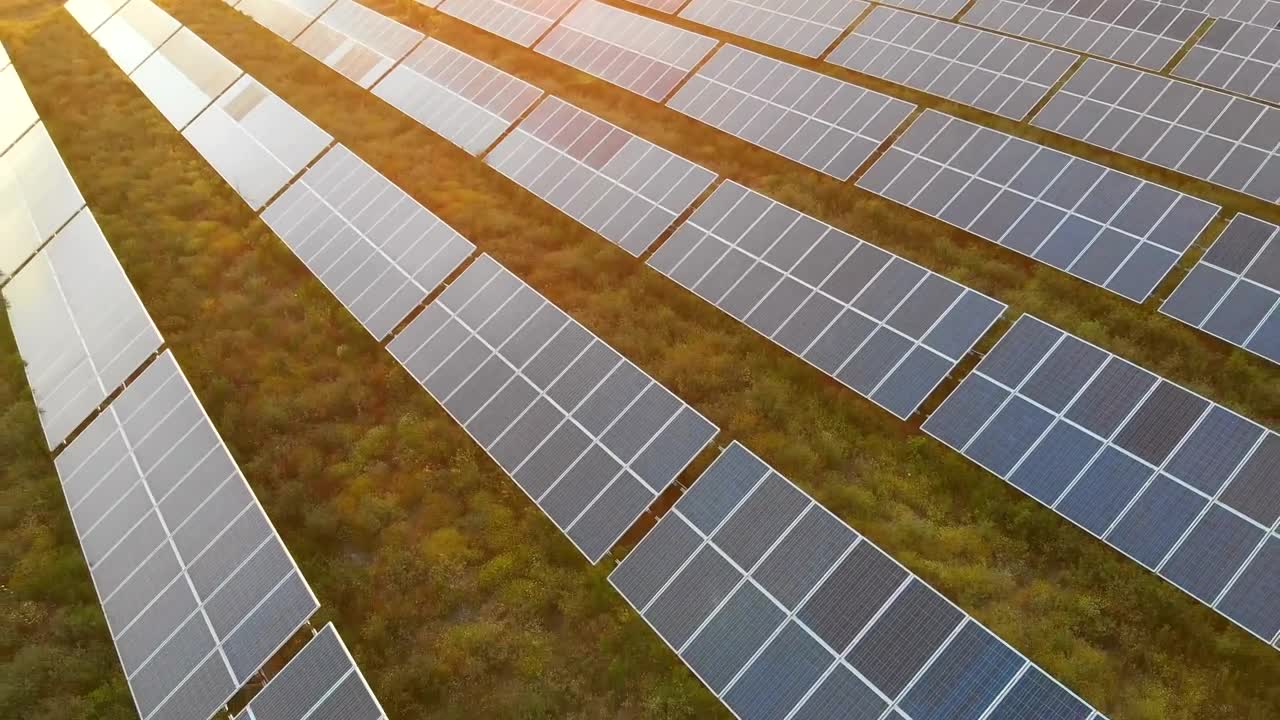
Yes. Storage is commonly integrated with existing solar plants and generators. The EMS coordinates which source charges the battery and when, according to the operating priority agreed for your site.
Is battery storage safe?
Safety comes from the cell chemistry, the BMS, protection design, thermal management, enclosure, installation layout and maintenance working together. Ask for a written safety and protection scope, test evidence and the applicable standards for any proposal you evaluate.
Costs
Is BESS cheaper than running a diesel generator?
It depends on how many hours the generator runs, diesel price, charging tariff and the capital cost of the battery. Use our DG vs BESS calculator to test your own assumptions, then discuss a site-specific assessment with us.
About Unigale
What does Unigale develop in-house?
Unigale develops its Energy Management System (EMS) and Battery Management System (BMS) in-house and engineers the integration of batteries, power conversion, controls and protection. Each proposal states clearly which components are developed, sourced and integrated.
Working with us
What information do you need to propose a system?
The most useful inputs are your running load and motor details, outage history and required backup duration, electricity bills and tariff, DG fuel logs, solar generation data if you have it, and any site constraints such as space or sanctioned load. You can start the conversation without all of it.
Which industries do you work with?
Manufacturing, commercial buildings, healthcare, data centres and telecom, cold storage, agriculture and EV charging operators — any site where outages, diesel use or energy costs matter.
Didn't find your question? Ask our engineers.

Talk to Our Team
Share your load and how long it needs to run. We'll size a system and send a quote.