




Power planning where continuity matters most.
Healthcare facilities need layered resilience. Storage can complement existing UPS and generators — reducing generator runtime and supporting essential services.
What hospitals & healthcare sites deal with.
Zero tolerance for gaps
Life-safety and clinical equipment have strict continuity requirements and established standards.
Long outages
Rural and semi-urban facilities can experience frequent or extended interruptions.
Operating cost
Generators running for routine outages add fuel, emissions and maintenance burden.
Applications that fit.
Generator runtime reduction
Cover routine short outages from storage; keep the DG for extended events.
See the solutionSolar + storage for clinics
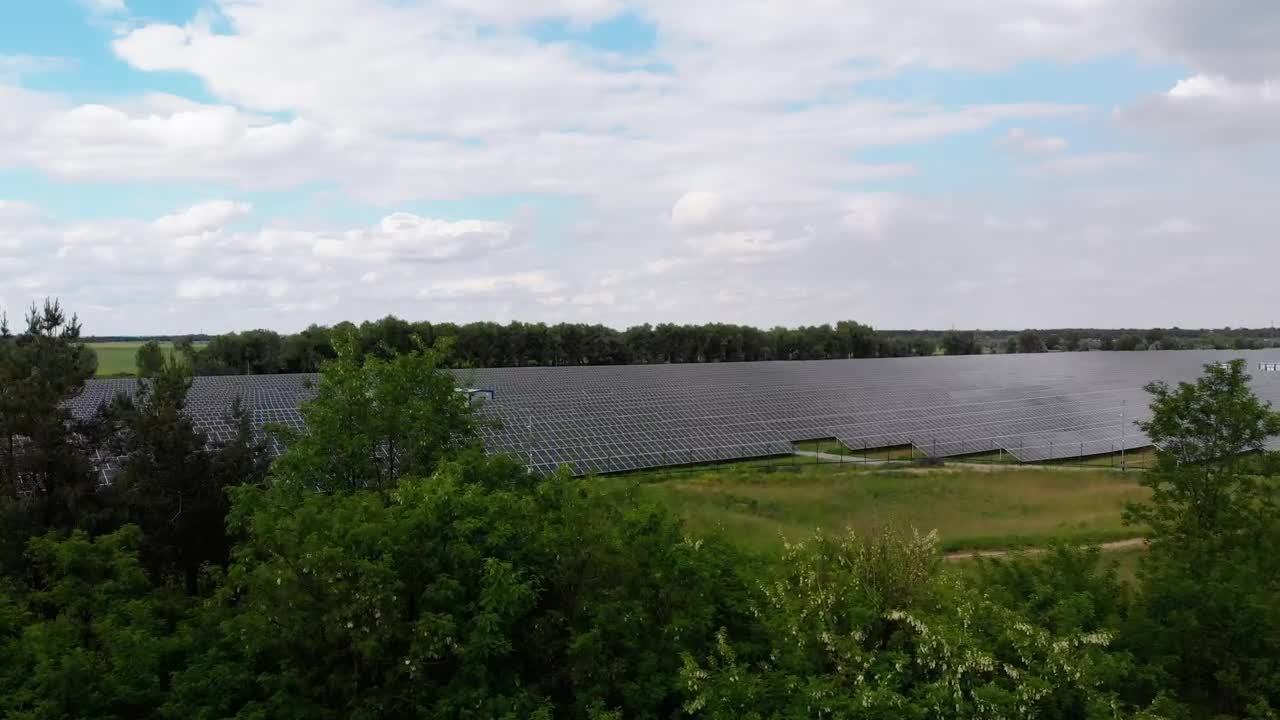
Reliable daytime and evening supply for smaller facilities.
See the solutionLoad prioritisation
Separate clinical, essential and non-essential circuits.
See the solutionEngineering considerations
- Applicable healthcare electrical standards and approvals
- Coordination with existing UPS and ATS
- Clear separation of life-safety systems
- Service response and maintenance arrangements
Common questions
Can a BESS replace a hospital's UPS?
Not by default. Clinical UPS systems provide near-instant transfer for sensitive equipment. A BESS typically complements the UPS and generator by supplying longer-duration energy and reducing generator use.
Is battery storage suitable for small clinics?
Yes. Smaller facilities often benefit most from solar + storage, which can provide dependable supply where outages are frequent.
Other industries





Talk to Our Team
Share your load and how long it needs to run. We'll size a system and send a quote.