






Keep production moving when the grid doesn't.
Factories face interruptions, diesel costs and demand charges at the same time. A battery system designed around your process loads can address all three — in a deliberate order.
What manufacturing sites deal with.
Costly interruptions
A short outage can scrap work in progress, trip drives and take hours to recover from.
Diesel dependence
Generators run for outages and sometimes for peak hours, adding fuel, maintenance and emissions.
Demand peaks
Motor starts and shift changes create short peaks that can drive up demand charges.
Applications that fit.
Critical-process backup
Prioritised backup for controls, compressors and lines that cannot stop.
See the solutionPeak and tariff management
Shift energy and trim demand peaks using your real tariff.
See the solutionRooftop solar storage
Use more of your factory-roof solar across shifts.
See the solutionEngineering considerations
- Motor inrush and starting method
- Harmonics from drives
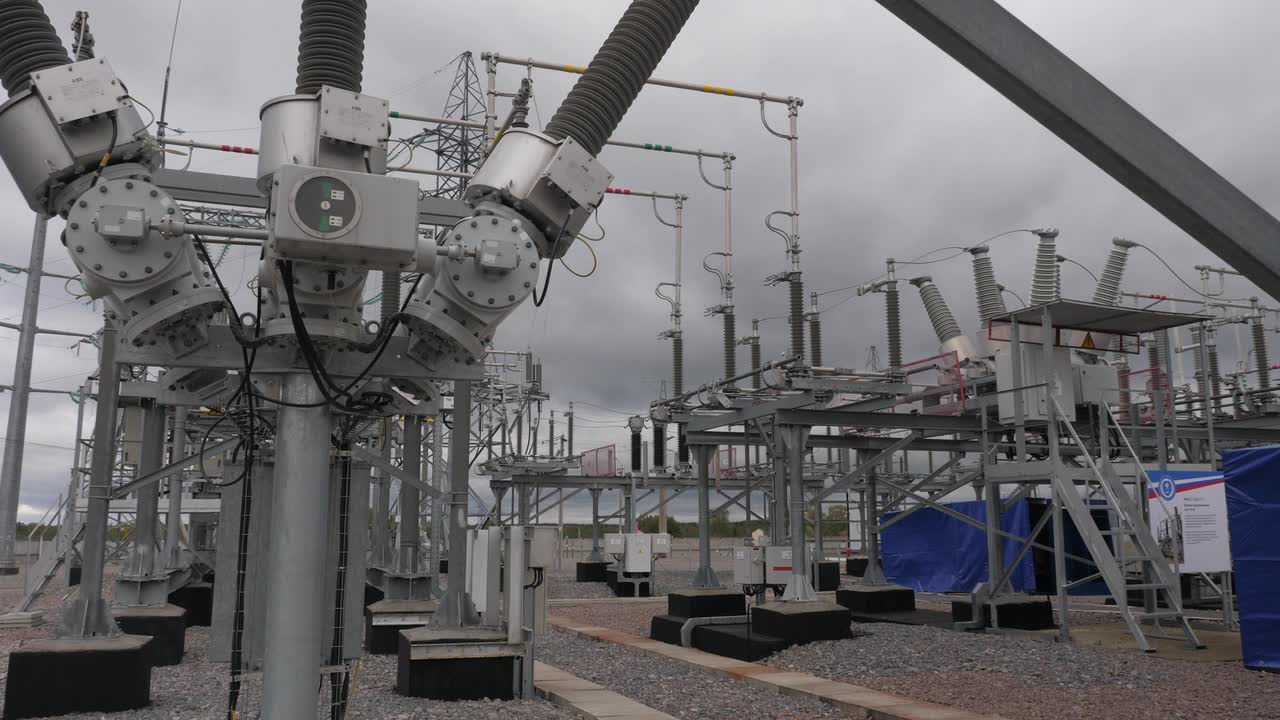
- Protection coordination with existing switchgear
- Space, ventilation and fire-safety layout
Common questions
What size battery does a factory need?
It depends on which loads must be supported, for how long, and what the battery is expected to do daily. Sizing from the critical-load list rather than the whole plant's connected load usually gives a smaller, better-utilised system.
Can a BESS reduce maximum demand charges in a factory?
Yes, where the tariff includes demand charges and the peaks are short enough for the battery to cover and then recharge. Interval meter data is needed to confirm the opportunity.
Other industries





Talk to Our Team
Share your load and how long it needs to run. We'll size a system and send a quote.