









Connect charging to a better energy plan.
Coordinate EV charging, available grid capacity, solar generation and storage around a practical site schedule.
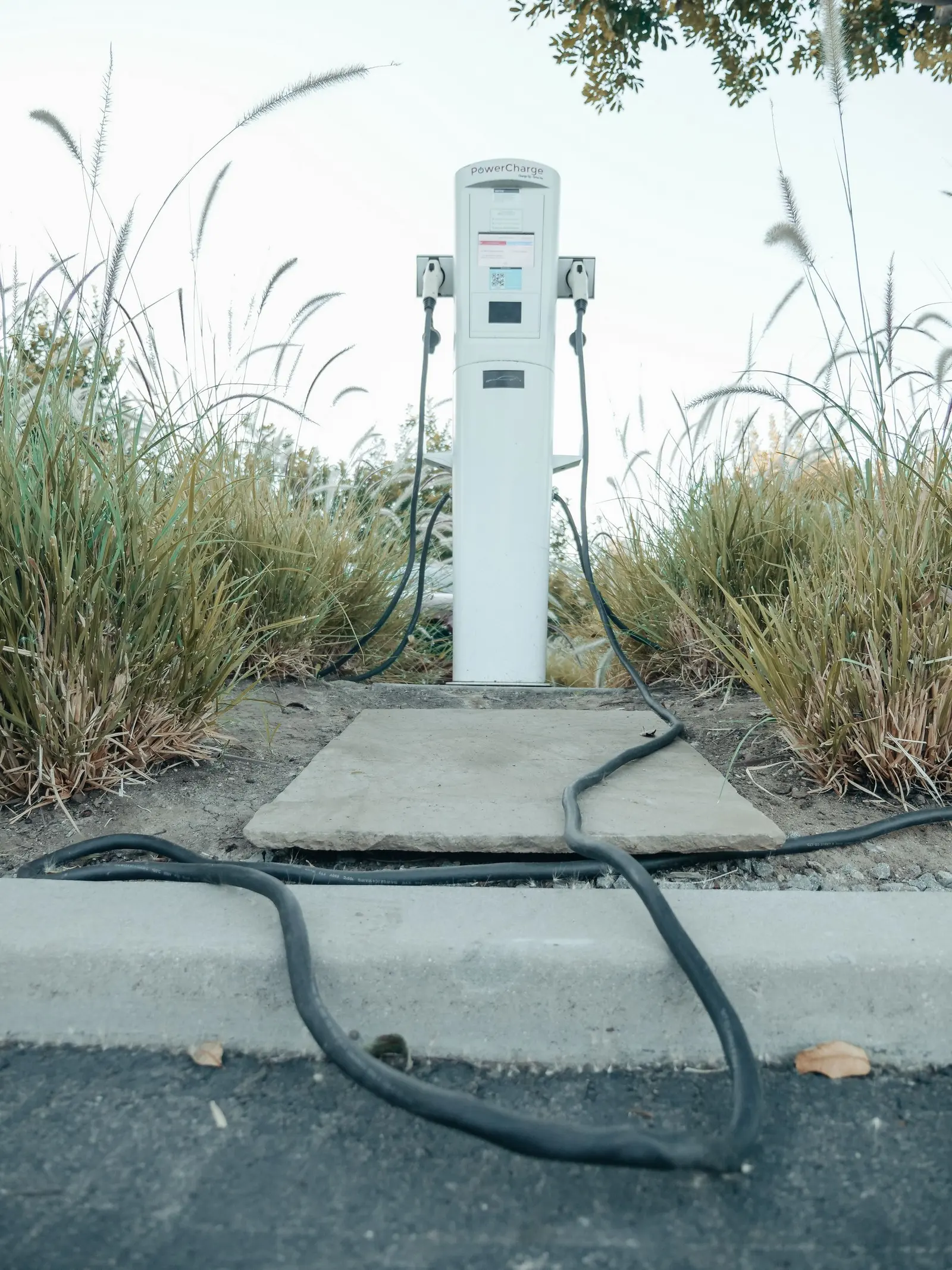
- More chargers on the same connection
- Solar-powered charging
- Controlled demand peaks
The operating priorities.
Plan around actual charging
Vehicle arrival times, connector ratings and dwell time shape the load far more than charger nameplate power.
Manage coincident demand
Evaluate smart charging schedules first, then size storage to support the short peaks that remain.
Bring solar into the plan
Look at charging windows and renewable availability together to raise the share of clean energy.
A useful first conversation.
You don't need every detail to start. These three answers let our engineers give you a meaningful first view.
- 1
Map the charging sessions
Define vehicles, energy per session and how many charge at the same time.
- 2
Check the supply limit
Review sanctioned capacity and existing site demand.
- 3
Choose the control strategy
Coordinate charger power limits, battery dispatch and reserve.
- Engineering note. Storage does not increase the long-term energy available from a constrained supply without an adequate recharge plan. Vehicle and charger compatibility must be confirmed separately.
EV charging integration: common questions
Why add battery storage to EV chargers?
A battery can supply the short, high-power bursts of fast charging so the grid connection only sees a lower, steadier demand. This can avoid or defer a costly supply upgrade.
Can a BESS avoid upgrading my sanctioned load?
Often for short peaks, if the battery can recharge between sessions. If average daily charging energy exceeds what the connection can supply, a supply upgrade is still needed.
Can EV charging run on solar power?
Yes. Solar can charge vehicles directly during the day, and a battery can store surplus solar for charging later. The share achievable depends on fleet schedules and solar generation.
Technical guides
Solar + BESS: on-grid and off-grid explained
Learn how solar and battery energy storage work together, what changes during a grid outage, and which questions to ask about charging and site integration.
Read MoreBESS sizing: kW, kWh and backup hours
Understand the difference between kW and kWh in BESS sizing. Work through a transparent backup-energy example and the data needed for an engineering assessment.
Read MoreWhat is BESS? A practical guide for businesses
Understand how a Battery Energy Storage System works, what its main components do, and which questions to ask before planning an industrial BESS project.
Read MoreTell us about your site.
An engineer — not a call centre — will review your requirement and reply, usually within one working day.