

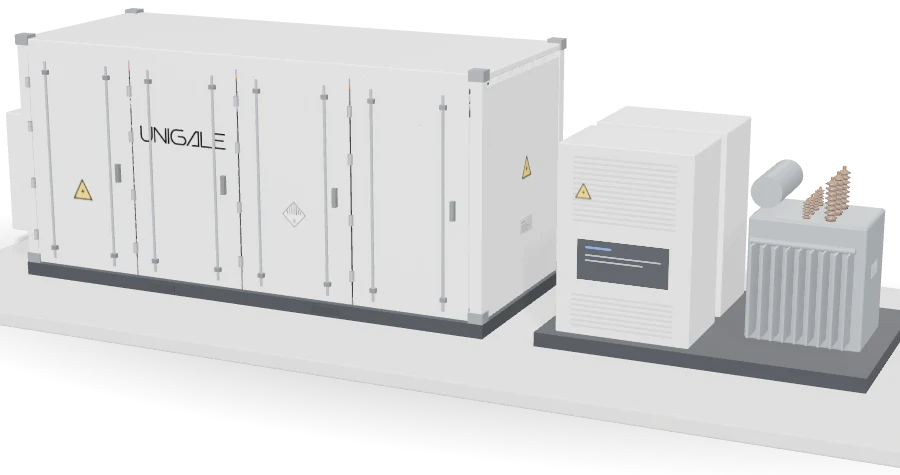
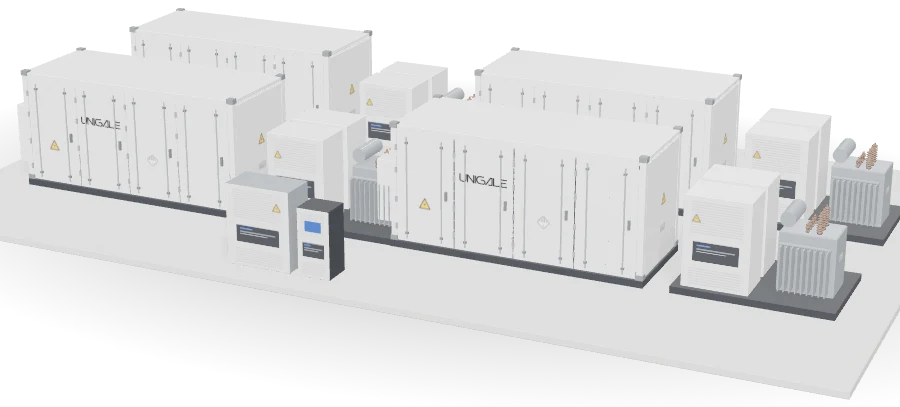
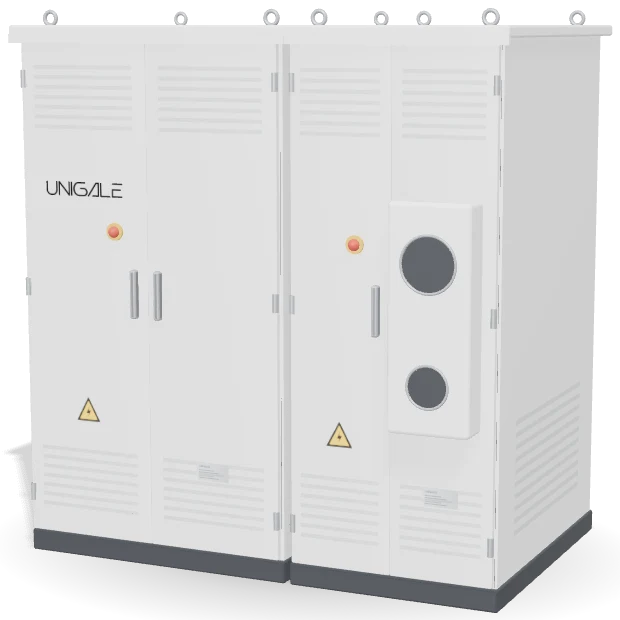
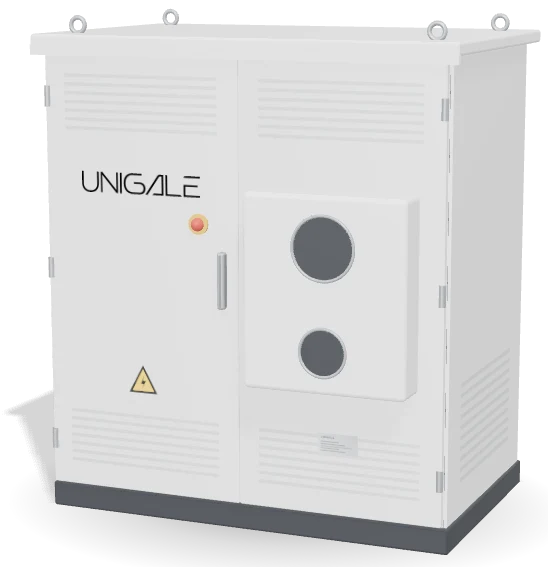





A stronger plan for the next outage.
Design backup around essential loads, starting requirements, backup duration and the time available to recharge — and run your diesel generator far less.

- Fewer diesel running hours
- Critical loads prioritised
- Quiet, zero on-site combustion during discharge
The operating priorities.
Keep the right loads running
Prioritise critical equipment instead of assuming the entire site needs identical backup. A focused load list usually means a smaller, better-utilised battery.
Reduce diesel hours deliberately
Compare a battery-only strategy with a hybrid plan where the DG covers only the longest outages, so fuel, noise and maintenance fall without losing resilience.
Engineer the electrical details
Motor starts, overload capacity, transfer behaviour and protection coordination all belong in the design — not as afterthoughts during commissioning.
A useful first conversation.
You don't need every detail to start. These three answers let our engineers give you a meaningful first view.
- 1
What must stay on?
Share the actual running load, motor ratings and starting method for the equipment you cannot afford to lose.
- 2
How long must it run?
Bring outage logs and the backup duration you need, including the longest realistic event.
- 3
How will it recharge?
Identify the grid, solar and generator charging windows available between outages.
- Engineering note. A BESS is not automatically a drop-in DG replacement or an uninterrupted power supply. Transfer time, surge capability and autonomy must be engineered for the application.
Industrial backup: common questions
Can a battery energy storage system replace a diesel generator?
For many sites a BESS can cover most outages and remove routine DG running, while the generator is kept for rare long events. Full replacement depends on outage duration, load, surge requirements and how the battery recharges. We assess this from your outage logs and load data.
How is backup duration calculated for a BESS?
Usable energy (kWh) is the supported load (kW) multiplied by the hours required, then adjusted for depth of discharge, conversion efficiency and an end-of-life reserve. A 100 kW load for 2 hours needs 200 kWh delivered — the nominal battery is larger than that.
Will motors and compressors start on battery power?
They can, if the power conversion system is specified for the inrush current and starting method. Motor starting is checked during design; it is one of the most common reasons a battery-only backup is undersized.
Is a BESS the same as a UPS?
No. A UPS is designed for near-instant transfer and usually short duration. A BESS is typically sized for longer energy delivery. Transfer behaviour must be specified separately if your loads cannot tolerate an interruption.
Technical guides
DG vs BESS: compare the full operating cost
Compare diesel-generator and BESS costs for 1, 2, 3 and 6 hours of daily use. Understand fuel, charging, maintenance and the assumptions behind payback.
Read MoreBESS sizing: kW, kWh and backup hours
Understand the difference between kW and kWh in BESS sizing. Work through a transparent backup-energy example and the data needed for an engineering assessment.
Read MoreWhat is BESS? A practical guide for businesses
Understand how a Battery Energy Storage System works, what its main components do, and which questions to ask before planning an industrial BESS project.
Read MoreTell us about your site.
An engineer — not a call centre — will review your requirement and reply, usually within one working day.