








Key takeaway
Every BESS is an ESS. Not every ESS uses batteries.
ESS is the broader category
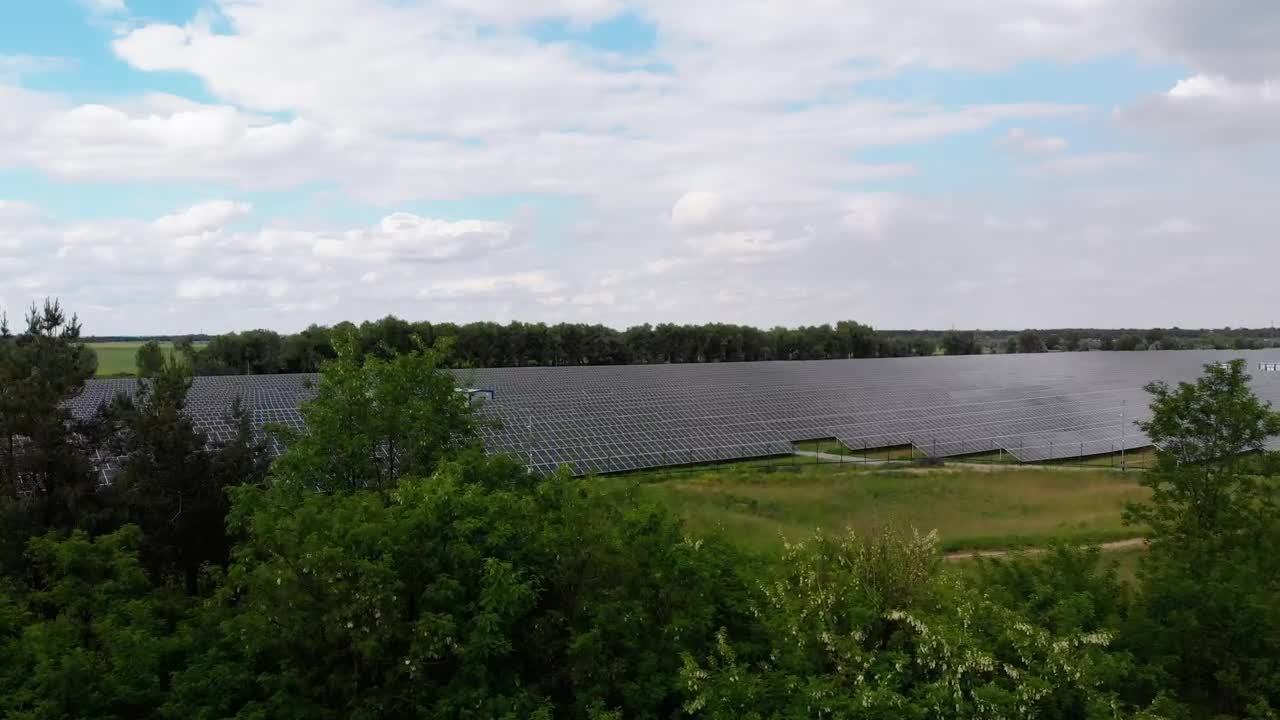
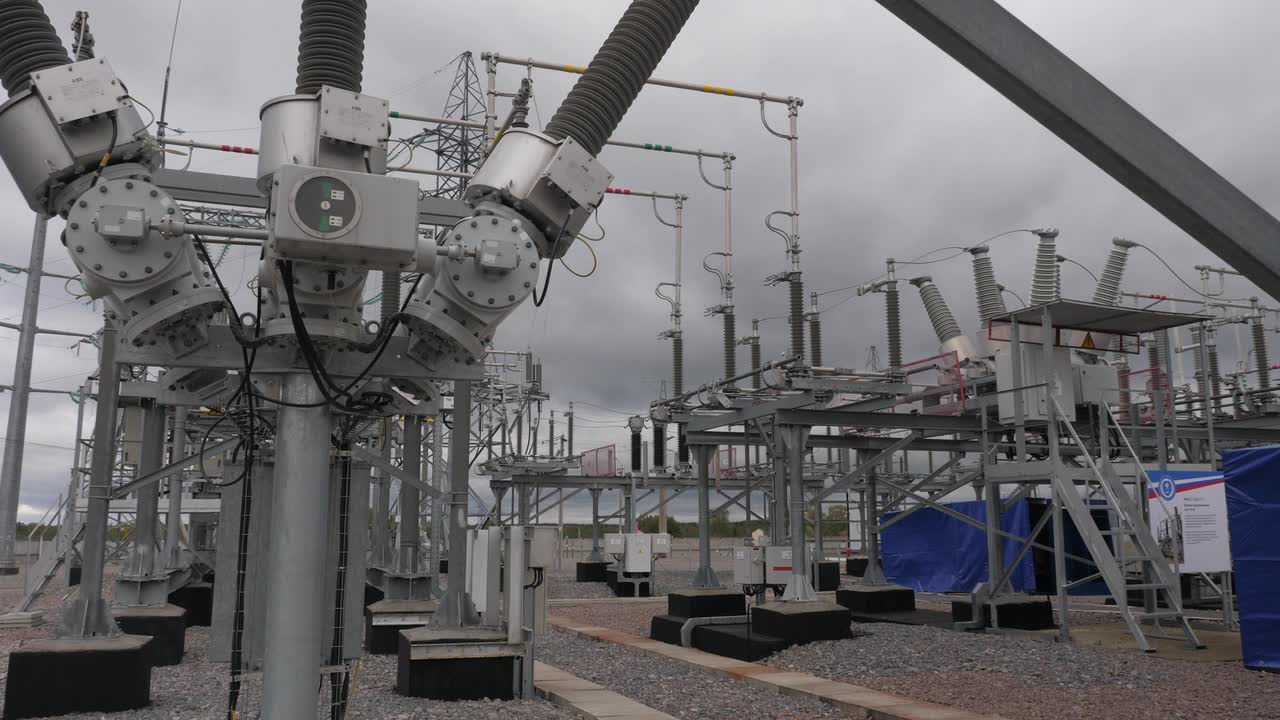
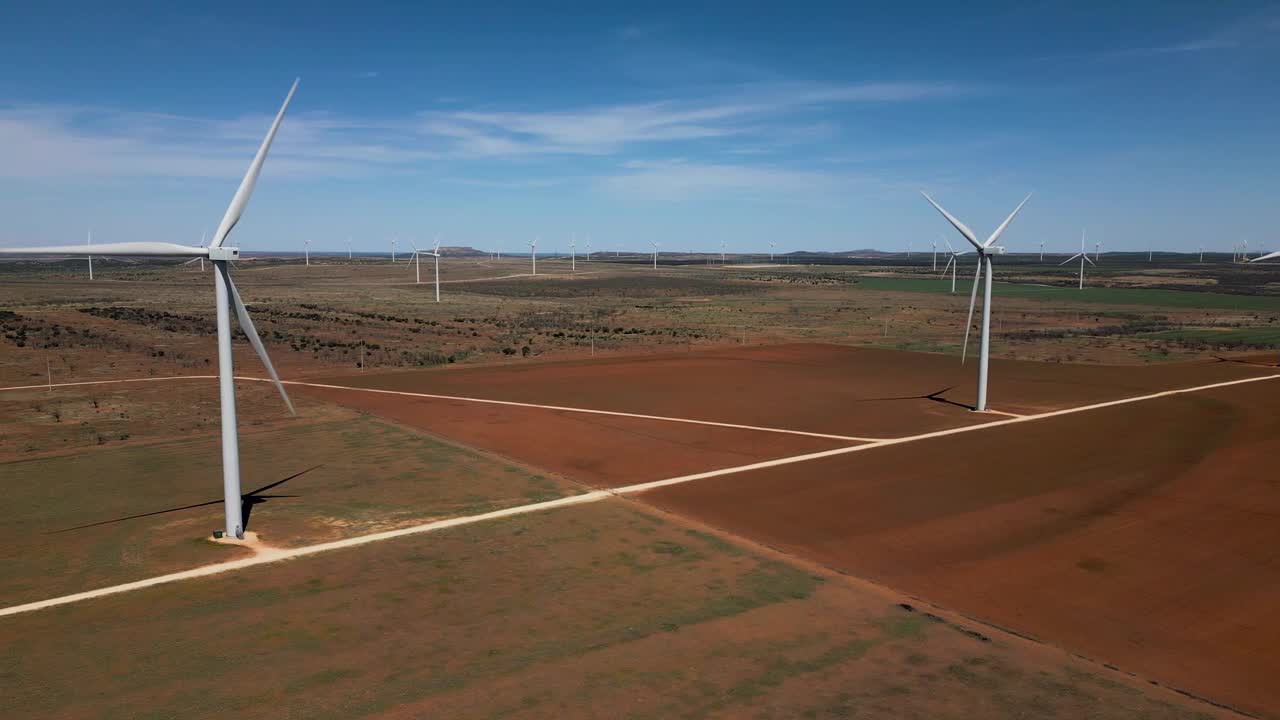
An Energy Storage System captures energy and makes it available for later use. In electricity applications, the category includes batteries, pumped-storage hydro, compressed-air storage, flywheels and certain thermal-storage systems. [1]
That means an ESS requirement does not, by itself, identify a battery chemistry or even a battery-based architecture. Before asking suppliers for comparable quotations, define the electrical service, power requirement, duration and site constraints.
BESS identifies battery-based storage
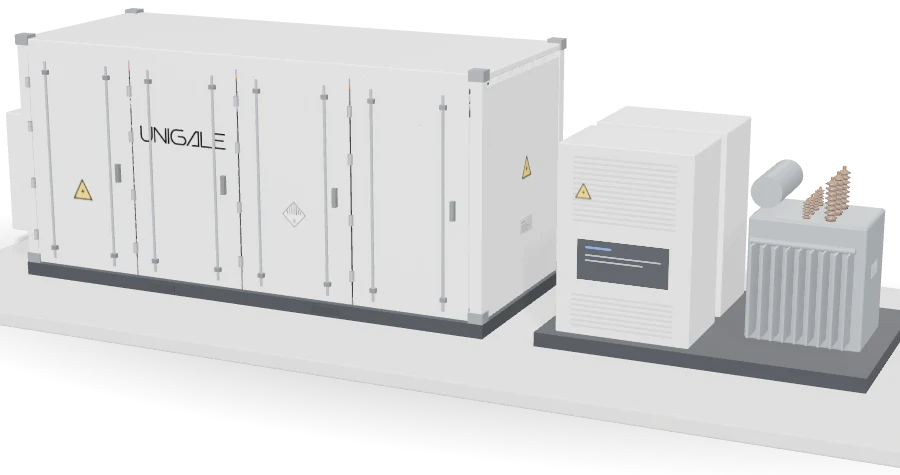
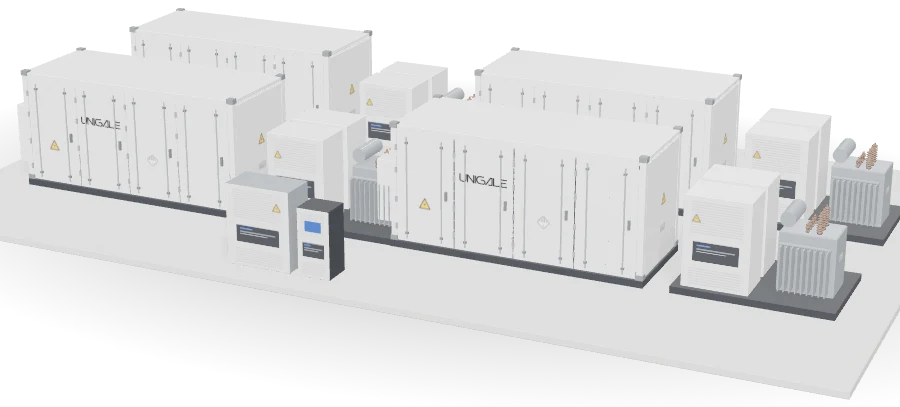
BESS narrows the discussion to storage that uses batteries. A complete BESS also needs power conversion and controls; it is not synonymous with a loose group of cells. The component boundary matters when comparing the scope and cost of an offer. [2]
| Term | Meaning | What it does not tell you |
|---|---|---|
| ESS | Energy Storage System | Which storage technology is used. |
| BESS | Battery Energy Storage System | The battery chemistry, output power or usable duration. |
| EMS | Energy Management System | The installed energy capacity. |
For Unigale, the website's focus is battery-based energy storage and its integration. Broader ESS terminology provides context rather than implying that Unigale supplies every type of storage technology.
Different storage technologies answer different questions
Pumped-storage hydropower uses reservoirs at different elevations to store and release energy. Batteries use electrochemical storage. These are distinct approaches, even though both fit within the wider storage category. [3]
For a buyer, our recommendation is to define the service before selecting the architecture. Consider whether the requirement is electricity or heat, a short power event or sustained energy supply, a single building or a much larger network. A technology name alone does not establish suitability.
A better way to compare storage proposals
Create one comparison sheet with identical questions for each supplier: required output, delivered energy, duty cycle, charging window, site interface, installed scope, warranty conditions and service obligations. Ask suppliers to distinguish confirmed specifications from assumptions.
For a battery project, distinguish the battery capacity from the usable energy available at the specified connection point. Also check what is included in installation and commissioning. An attractive price for one subsystem should not be compared directly with the price of a complete installed system.
Begin with how a BESS works, then use the kW and kWh sizing explanation to frame the operating requirement.