





Key takeaway
A dashboard is not the whole control system. Ask what is measured, what is commanded, and what happens when a limit or communication fault occurs.
BMS: the battery supervision layer
The Battery Management System supervises battery conditions, manages balancing and participates in battery protection. Multi-level systems can coordinate cell, pack and rack information. Infozeb's published architecture illustrates this layered approach. [1]
For a buyer's review, we recommend asking which quantities are measured, how operating limits are communicated and which actions follow a warning or fault. Request the actual proposed system's protection logic rather than relying on an acronym or a list of protocols.
PCS: the electrical conversion layer
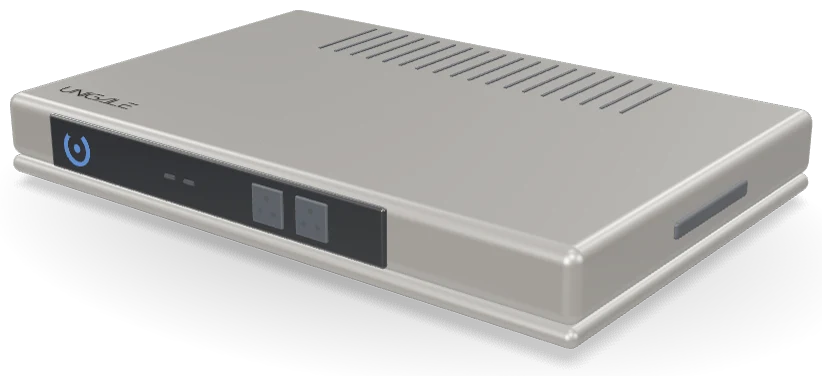
The Power Conversion System is the interface that converts power between the battery and the AC installation. Battery-inverter functionality and supported grid services depend on the equipment and configuration. [2]
Our recommended procurement questions include continuous output, overload duration, reactive-power requirements, operating voltage, efficiency measurement conditions and intended grid or island mode. Treat communication compatibility and electrical capability as separate checks.
EMS: the operating-strategy layer
The Energy Management System coordinates energy operation around the selected objectives. Manufacturer implementations include monitoring and scheduled dispatch, while integrated products bring EMS, BMS and PCS together at system level. [1] [3]
Define the desired behaviour clearly: preserve a backup reserve, charge during an agreed window, limit site import or prioritise available solar. Do not assume that having an EMS means that every operating strategy is already implemented and validated.
Use an interface checklist
| Ask the supplier | Evidence to request |
|---|---|
| What happens if communications stop? | A documented safe-state and recovery sequence. |
| Which controller has priority? | A control hierarchy covering operating and protection limits. |
| Can the site operate without cloud connectivity? | A description and demonstration of supported local functions. |
| Who can change setpoints? | Defined user roles, access control and change records. |
| Which interfaces are supported? | Protocol details, register maps and agreed integration scope. |
This is a suggested due-diligence checklist, not a claim that any particular product includes all of these features.
How to frame the Unigale discussion
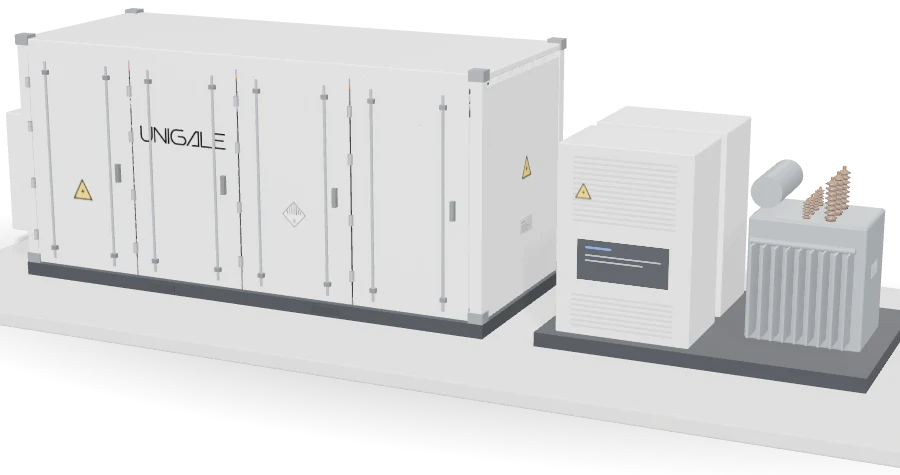
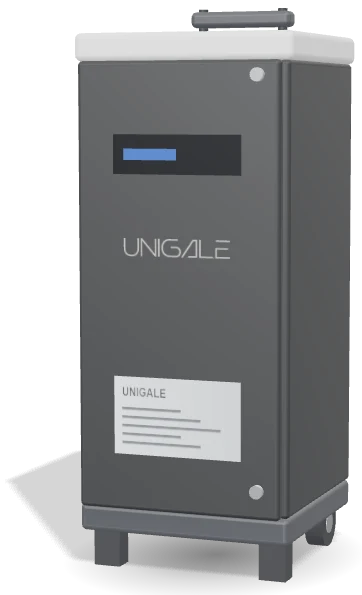
Unigale's stated focus includes in-house EMS and BMS development and system integration. Bring the actual site objective to that discussion, then ask for the architecture and available functions of the proposed configuration. Do not substitute another manufacturer's ratings or feature list for a Unigale specification.
For acceptance planning, our recommendation is to agree demonstrations that matter to the application: normal charge/discharge, limit handling, loss of communication, alarm recording and the specified backup sequence. The test plan and acceptance criteria should be part of the project scope.
Read solar, grid and backup integration or return to the BESS overview.