






Key takeaway
BESS is an integrated power system, not just a battery cabinet. Its value depends on the application, controls and charging plan.
What does BESS mean?
BESS stands for Battery Energy Storage System. It is one type of energy storage system, or ESS. Batteries store energy electrochemically; conversion equipment connects that stored energy to electrical loads. Storage moves energy between times of use rather than creating an unlimited supply. [1]
A useful first conversation separates three questions: what equipment must run, for how long, and from which charging source? Those answers give an engineer something more useful than a request for a battery of an arbitrary capacity.
What is inside a complete system?
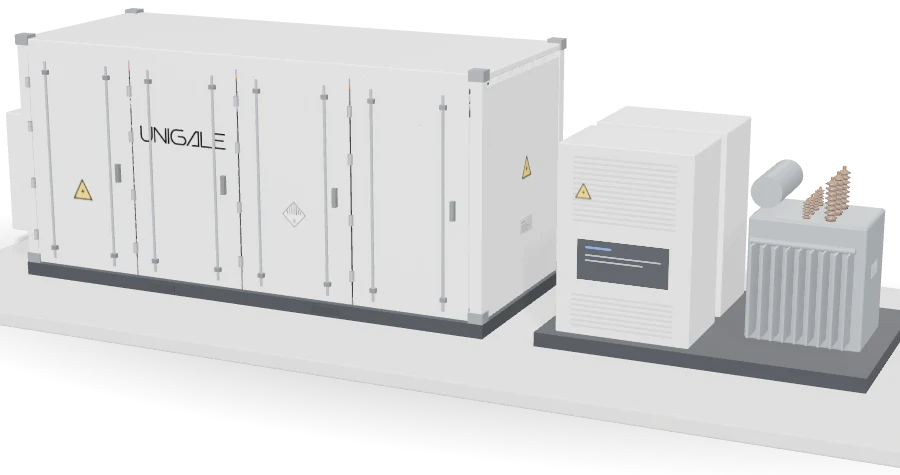
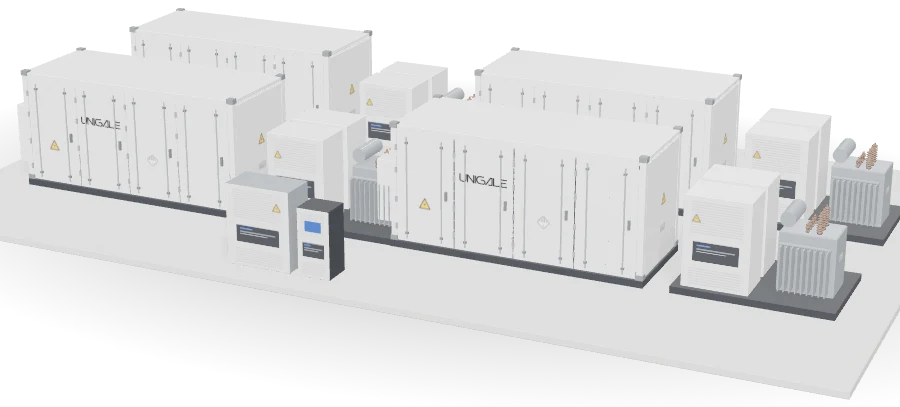
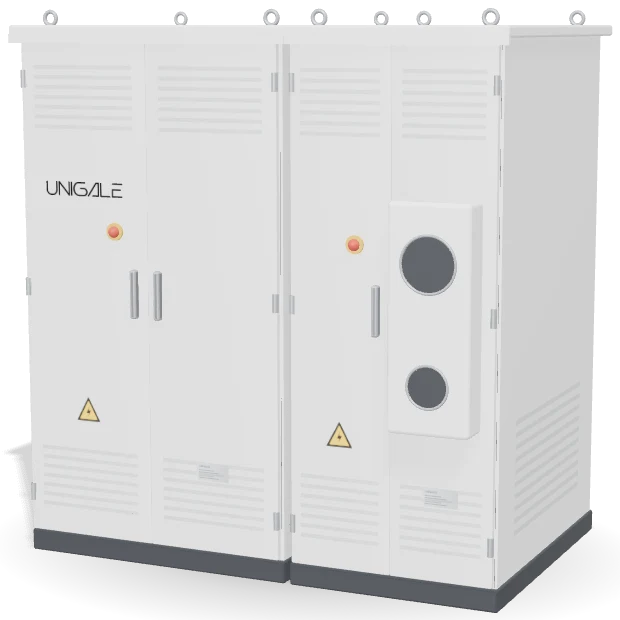
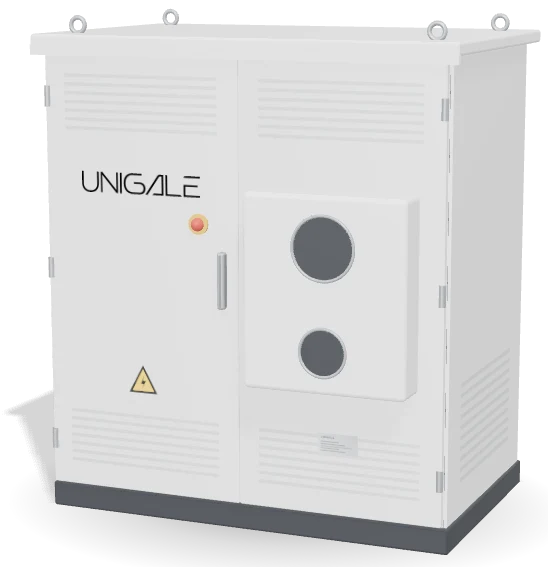
A complete battery-storage installation includes the battery subsystem, power conversion, controls, auxiliary systems and connections to the site. [1] These are different responsibilities, even when they share one enclosure.
| Component | Role in the system |
|---|---|
| Battery modules | Store the energy. |
| Battery Management System (BMS) | Supervise battery conditions and operating limits. |
| Power Conversion System (PCS) | Convert electrical power between the battery and the AC system. |
| Energy Management System (EMS) | Coordinate dispatch around the selected operating objective. |
| Cooling, protection and auxiliaries | Support the engineered operating environment. |
The integrated EMS, BMS and PCS approach is also used in commercial storage products. [2] Read our EMS, BMS and PCS guide for the questions to ask about each layer.
Start with one operating objective
For an initial assessment, choose a primary objective: selected-load backup, reducing DG operating hours, using more on-site solar, or managing a defined electricity-cost exposure. Do not assume one configuration achieves every objective at once.
For example, a customer prioritising backup may wish to reserve stored energy for outages. A customer prioritising daily tariff shifting may wish to discharge it during expensive hours. Our recommendation is to agree which objective takes priority before comparing proposals. The scheduling and sizing of storage should be evaluated together, as in integrated planning tools such as REopt. [3]
Read both the kW and kWh figures
Power and energy are different. A 100 kW load operating steadily for two hours needs 200 kWh delivered to the load. This arithmetic is not a specification for a 200 kWh battery: allowable operating range, losses, reserve and ageing assumptions still need to be considered.
Compare proposals on the same delivered-energy basis. Ask whether the stated capacity is nominal battery energy or usable AC energy. Our BESS sizing guide works through this distinction with an example.
Bring a site brief, not just a monthly bill
For a first technical discussion, we recommend bringing a measured load profile, a list of essential loads, outage durations, DG fuel records, your electricity tariff and any solar-generation data. Add available space and access constraints, operating temperatures and motor-starting requirements.
Request a written definition of the proposed scope, operating modes, safety provisions, performance measurement boundary and service responsibilities. A clear brief is a better basis for comparing Energy Storage System proposals than a single headline price.