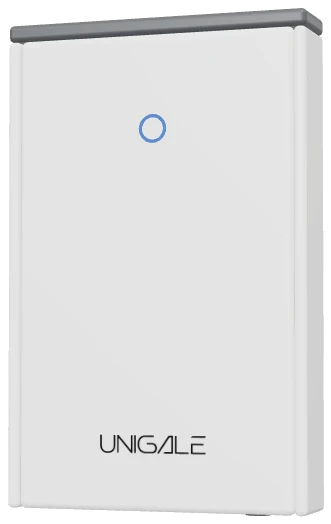
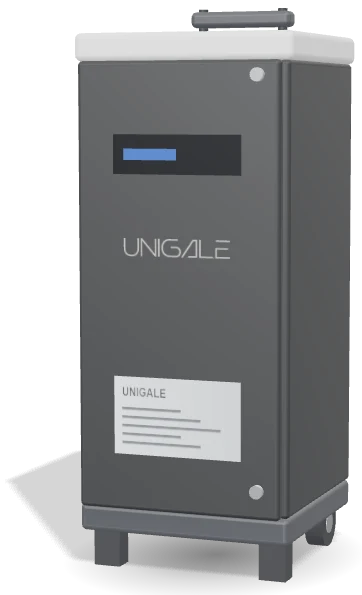
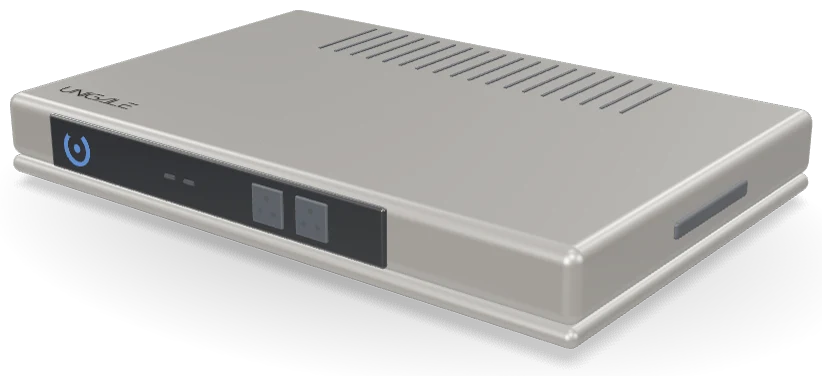





Buyers tend to compare batteries by kWh, cycles and price per unit. Those numbers matter. But two systems built from the same cells can produce very different savings — because of the software deciding when to charge and when to discharge.
What the EMS actually does
The energy management system is the operating strategy in code. Every few seconds it decides:
- whether to charge from the grid, from solar or not at all
- when to discharge to shave a demand peak or avoid an expensive tariff band
- how much energy to hold back for the next outage
- how to share the load across racks, power modules and sites
Get those decisions slightly wrong and the battery cycles for little gain, or is empty when the grid fails.
Why we write our own
Our Beaufort EMS and Anemo BMS are designed in-house. That means we can tune dispatch to your tariff and your load, update it over the air, and explain every decision it makes. Anemo watches each cell across three tiers — cell, pack and rack — with ±2 mV accuracy, so Beaufort always knows what the battery can safely give.
The question to ask any supplier
Who wrote the EMS, and can they change it for your site? If the answer is "a third party" and "no", you are buying a box, not a system.